Fathers and Sons
The weight of remembrance:
Three generations.
Three lives shaped by war, loss and quiet courage.
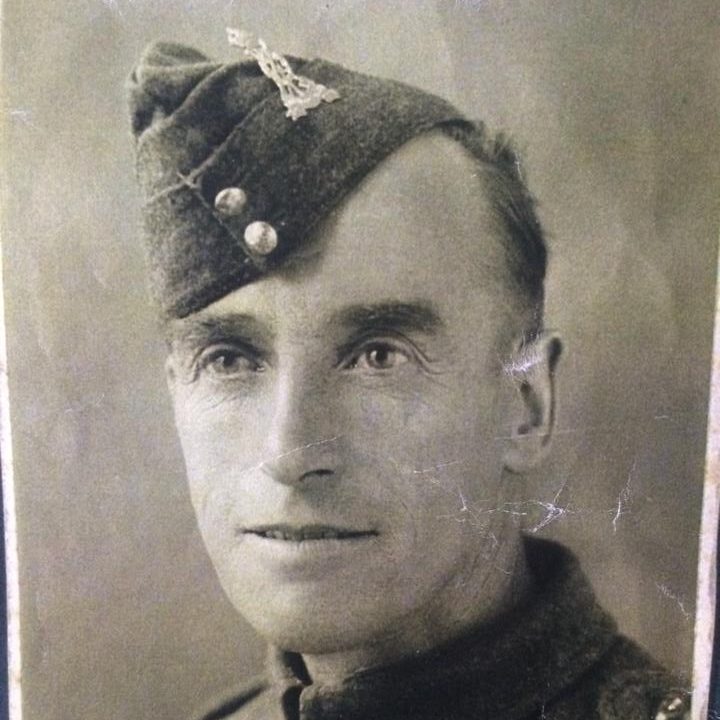
James Wilson
Grandfather
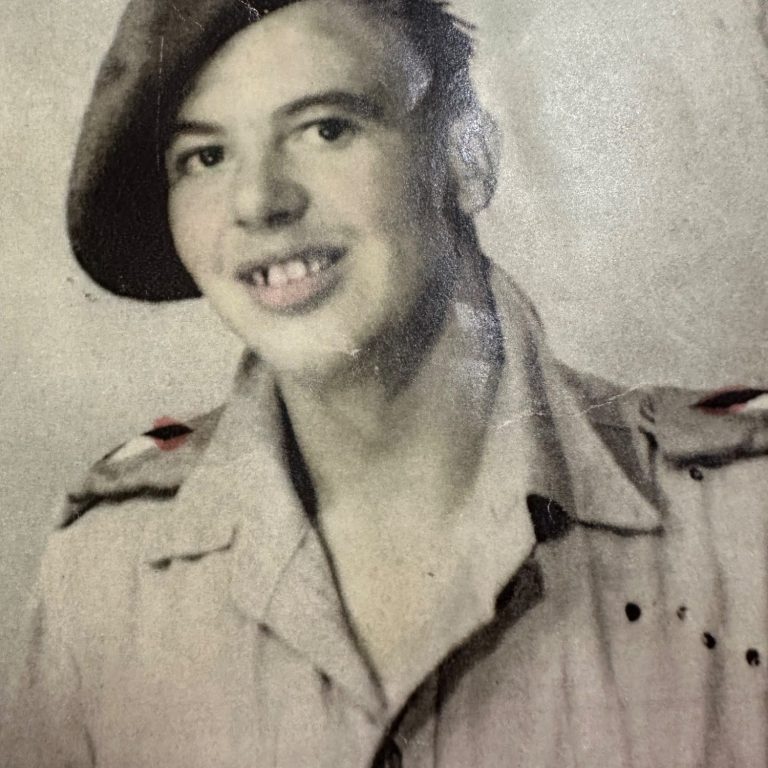
Dick Wilson
Father
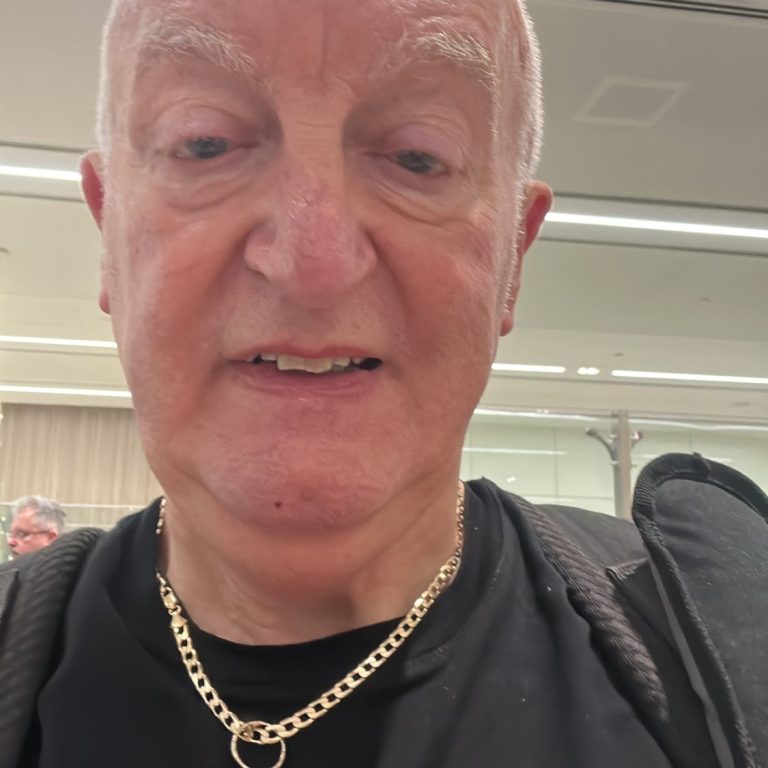
Richard Wilson
Son
This is their story - and mine
Some names are inherited by birth.
Some are carried by choice.
My grandfather, James Wilson, was killed on 17th June 1940 when the RMS Lancastria was attacked and sunk off the coast of Saint-Nazaire during the dark early days of the Second World War. Like so many families touched by that tragedy, ours was left not with a grave to visit, but with a silence to live with.
He had already served his country in the First World War. He belonged to a generation that answered duty without complaint and accepted sacrifice without expectation of recognition. He was one of thousands whose stories were folded quietly into history—mentioned less with each passing year, until remembrance depends on those who choose not to let memory fade.
I have always felt that choice.
I did not know him, of course. I know him only through fragments—through records, through family memory, through the simple but profound truth that I exist because he did. And yet, sometimes the people we never meet shape us most deeply.
His story has never felt distant to me.
It has felt like an unfinished conversation.
My father, Richard—known to most as Dick—lived in the long shadow of that loss. He served in the war that had already taken his own father, carrying both duty and absence into his adult life. He understood, perhaps more than anyone, what it meant to grow up with memory instead of presence.
He did not speak much about it. That, too, was part of his generation.
But his life was shaped by it.
He died too young, at the age of sixty-nine, from a heart attack. His passing left its own silence—different, but no less profound. And in time, I came to realise that the story of my grandfather could not be told without also honouring the life of the son who carried his loss.
In recent years, as I have faced my own health challenges—cancer treatment, hospital admissions, and the unsettling reminders of how fragile life can be—I have found myself reflecting more deeply on legacy.
On what remains.
On what is worth carrying forward.
It became clear to me that remembrance is not passive.
It is an act of love.
That is why I have chosen to adopt James as my additional forename. In time, I intend to make that official and become Richard James Wilson.
It may seem a small thing—just a name on paper.
But to me, it is something more.
It is a way of saying:
you are not lost to time.
Your name still walks forward.
This June, I will travel to Saint-Nazaire on the anniversary of the sinking, to stand where history and family meet. I go to honour not only the man my grandfather was, but also the countless others whose names deserve to be remembered with gratitude.
This is not simply a journey to France.
It is a pilgrimage of remembrance.
I will travel there as Richard Wilson.
But I hope to return carrying something more—
peace, perhaps…
or perspective…
or simply the quiet certainty that I have stood in that place and said:
I remember.
For me, this is not about history alone.
It is about identity.
Faith.
Family.
Gratitude.
And perhaps most of all, it is about this:
Love does not end where life does.
Memory is one of the ways we keep faith with those who came before us.
So I write this for my grandfather, James Wilson.
For my father, Dick.
For my family.
For those who were lost aboard the Lancastria.
And for anyone who has ever felt called
to honour a name that still matters.
Some names are inherited by birth.
Some are carried by choice.
His is both.